How to Lose Weight After 40: Why Most Diets Fail Midlife Women and What Brain-Based Weight Loss Offers Instead
If you have tried more diets than you can count and they all stopped working, or never worked to begin with, you are not the problem.
In this conversation, I sit down with Lizzie Merritt, a certified life coach and bestselling author of LIGHT: The New Psychology of Weight Loss, to talk about what is actually going on when traditional diets fail midlife women, why your nervous system has more to do with your eating habits than your willpower does, and what a brain-based approach to weight loss looks like in real life.
This is for you if you've been thinking:
"I've tried every diet out there and none of them stick. What is wrong with me?"
"I do great all week and then blow it on the weekend. Every single time."
"I know I'm eating for comfort. I just can't seem to stop."
"Why is losing weight so much harder now than it was in my 30s?"
"I am stressed, overwhelmed, and I can't stop snacking."
"I am done starting over on Monday. There has to be another way."
"I don't want another diet. I want something that actually works with my life."
Prefer to listen? Press play below:
Or listen on:
Apple Podcasts | Spotify
Why Diets Keep Failing Midlife Women (And It Is Not What You Think)
Most diets are built around a simple premise: follow the steps, get the result. For high-achieving women who are used to doing exactly that, it makes sense on the surface. But here is what most diet programs do not account for: what happens when you miss a step. When a midlife woman overeats, skips a workout, or goes off-plan, the typical response is shame, judgment, and the familiar decision to start over Monday. That is not a personal failure. It is a system failure. Traditional diets give you rules but no tools for the inevitable moments when life makes those rules hard to follow.
Lizzie Merritt argues that lasting weight loss requires a completely different starting point: your brain.
What Brain-Based Weight Loss Actually Means
Brain-based weight loss works with how your brain is wired to learn, grow, and change, rather than asking you to follow rules and white-knuckle your way through the hard moments. The key insight: your brain cannot take in new information or build new habits when it does not feel safe. If your nervous system is running in fight-or-flight mode because of stress, people-pleasing, perfectionism, or an overpacked schedule, no diet will work as well as it should. The foundation has to be safety first.
How Your Nervous System Is Running Your Eating (More Than You Realize)
One of the most eye-opening threads in this conversation is how a dysregulated nervous system shows up in eating behaviors. Two of the most common patterns Lizzie sees in midlife women:
People pleasing: When you spend your day managing everyone else's emotions, your nervous system gets depleted. By evening, your body is looking for the easiest available comfort. Often, that is food. It is not a willpower problem. It is a nervous system problem.
Perfectionism: 'I was good all week and then I blew it on the weekend.' This is the cycle. Perfectionism makes it feel unsafe to make a mistake, so the moment you do, the brain's response is to go all in and restart Monday. The antidote is not more discipline. It is creating the safety to be imperfect.
The LIGHT Method: A Framework Built Around Learning, Not Rules
Lizzie developed the LIGHT Method as a practical alternative to traditional diet thinking. LIGHT is an acronym:
L: Learn with a beginner's mind. It is hard to learn if you already know. Start from openness.
I: Investigate with curiosity. When you overeat, get curious instead of critical.
G: Gather data. Treat the overeat as information, not evidence that you have failed.
H: Harness your results. The stumbling blocks are not setbacks. They are the most useful data you have.
T: Tend the garden. Weight loss is not a destination with an endpoint. It is something you tend over time, like a garden or a relationship.
The Language Shift That Changes Everything: Training vs. Trying
One of the simplest and most useful tools from this episode is a vocabulary swap. Replace 'I am trying to lose weight' with 'I am training to lose weight.' Trying implies a hope that it might work. Training implies a process where setbacks are expected and useful. An athlete in training does not quit when they miss a serve. They adjust, iterate, and go again.
What 'Normal' Has to Do With Long-Term Weight Loss
Lizzie's clients who hit their goal weight sometimes find themselves asking: now what? The goal was never a number on the scale. The goal was building a new version of what 'normal' looks like. Her approach: work backwards. Who do you want to be a year from now? What does normal eating look like for that version of you? Then make it more tangible: six months, three months, one week. This is how identity-based change sticks.
FAQs
Why can't I lose weight after 40?
Hormonal shifts during perimenopause and menopause affect metabolism, stress response, and sleep, all of which make weight loss harder. But Lizzie Merritt also points to something that gets less attention: how most diets are structured. Traditional programs give you rules without addressing the nervous system patterns, identity blocks, and emotional habits that actually drive eating behavior. A brain-based approach that starts with safety tends to work better for midlife women than any food plan alone.
What is brain-based weight loss?
Brain-based weight loss works with how your brain learns and changes, rather than asking you to follow rules and stay disciplined. It starts with the nervous system: if you do not feel safe, your brain cannot build new habits effectively. From there, it layers in curiosity-based tools, treating an overeat as data instead of failure, and identity work around who you are becoming rather than what you are losing.
Why do I keep starting over on Monday?
The start-over-Monday cycle is often a symptom of perfectionism, a protection mechanism where your brain makes it feel unsafe to make a mistake. The moment you go off your plan, you feel like you've failed, so you go all in and try again next week. Breaking this cycle does not require more discipline. It requires creating the psychological safety to be imperfect, get curious about what happened, and keep going.
What is the LIGHT Method for weight loss?
LIGHT is an acronym developed by certified life coach Lizzie Merritt: Learn with a beginner's mind, Investigate with curiosity, Gather data, Harness your results, and Tend the garden. It is a framework that treats weight loss as a learning process rather than a rule-following exercise. The core idea: the stumbling blocks most of us see as failures are actually the most useful information we have.
How does emotional eating connect to the nervous system?
Emotional eating is often a signal that your nervous system is overwhelmed, not a sign of weakness or lack of willpower. When stress builds all day and you reach for food in the evening, your body is looking for the fastest available way to feel safe and comfortable. Addressing the nervous system first, through scheduled decompression, releasing the weight of managing others' emotions, and building in genuine rest, tends to reduce emotional eating more effectively than any food rule.
Meet Lizzie Merritt:
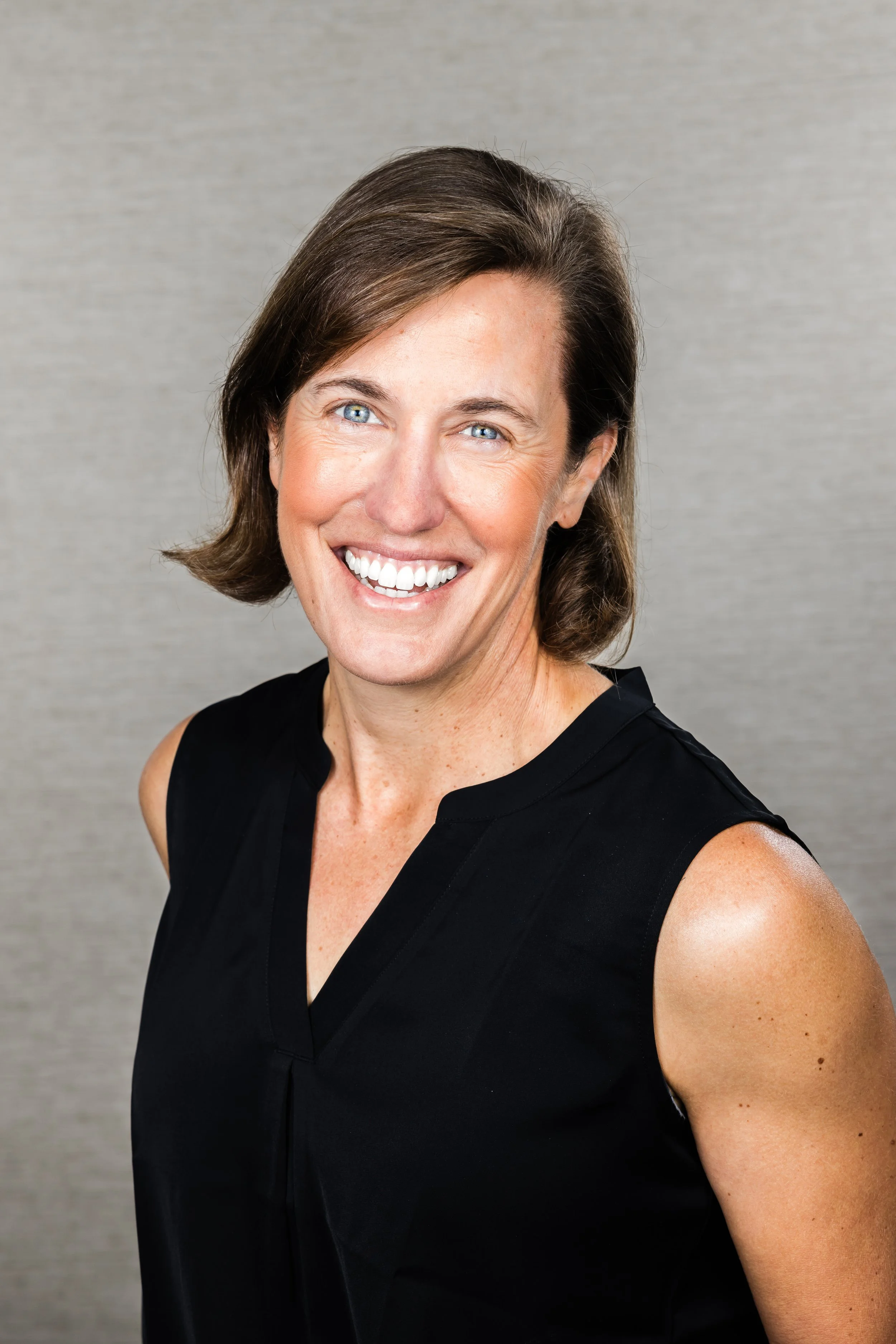
Lizzie Merritt helps midlife women lose weight for good. No diet rules, no willpower, and no more starting over on Monday.
Lizzie is a certified life coach and best selling author of LIGHT: The New Psychology of Weight Loss and You Are A Miracle. She helps women stop blaming themselves for failed diets and finally understand how their brains actually work.
As a former middle school science teacher, her work blends real-world brain science, humor, and a refreshingly honest approach to weight loss that actually fits real life.
Lizzie is also a military spouse, a Marvel nerd, and unapologetically cries at cheesy commercials.
Connect with Lizzie Merritt:
-
Jessica Long (00:00)
If you feel like you've tried every diet out there, the counting, the tracking, the gross smoothies, the cayenne water, and yet none of them seem to work, first of all, you're in very good company. And second, you're going to want to listen to this episode. Lizzie Merritt, a certified life coach and bestselling author of Light, The New Psychology of Weight Loss, is here to talk about how your brain actually learns and how traditional diets tend to work against, not with, your biology.
which might explain why they're often a waste of time and leave you feeling like the failure when in actuality the system itself is flawed. So if you're done with all of that and ready to hear about brain-based weight loss, a completely different way of approaching change that starts with how your brain and nervous system actually work, stick around for this one.
Jessica Long (00:47)
Hello, my friend. You are in the right place. This is where smart and sassy women over 40 come to figure out all things midlife. We talk hormones, careers, relationships, and everything in between. I'm Jessica Long, health coach and fellow midlife woman on this wild ride with you. Stick around for honest conversations with experts, rebels, and wise women rewriting midlife on their own terms. Let's dive in.
Jessica Long (01:11)
So Lizzie Merritt is here today to teach us why brain-based weight loss is so effective for midlife women and also what on earth brain-based weight loss is and why it's better than traditional diet plans that we're used to. So Lizzie, I am looking forward to learning from you. Thank you so much for being here today.
Lizzie Merritt (01:29)
Thank you so much for the opportunity. weight loss is my jam. And if I can make the process easier for any midlife woman, then that is a win.
Jessica Long (01:37)
my gosh, I could feel a collective sigh of relief as you said that. Okay, well you say brain-based weight loss and as an Enneagram Five, you already have me intrigued to like nerd alert over here. So tell us what does that even mean?
Lizzie Merritt (01:41)
I'm not sure.
Sure, so most of us have dieted our brains out. Like we were just so used to the way diets work, which is follow these steps and then good luck with that. And because we are smart, intelligent women, we're like, I can follow some steps, let's go. However, when life happens and it gets challenging to follow the steps that we know to do, we're like, well, something must be wrong with me.
But it's not that something's wrong with you, something is wrong with the system because the diet's giving you rules to follow and it's not helping you navigate all the reasons why, it is hard to follow those rules. so weight loss works with how your brain is wired to learn and grow and discover and iterate rather than just step in line and follow the rules and good luck if you mess up.
Jessica Long (02:46)
Well, so then how come so many things we learn are follow the steps, follow the rules, and we feel effective at that. I feel like we've done that so many different ways in our lives, whether that's in school growing up or even at work, like follow this framework and you'll get to the end result that you need. And a lot of us are very high performing, high capacity people who are used to having success when we follow the steps that we're given. So how come it works in some ways and not others when we're working from the same brain?
Lizzie Merritt (03:08)
Mm-hmm.
I love that question. So let's imagine it, whether it's work or a skill it all comes down to what happens when you mess up. So let's say you're trying to learn the piano. That's a skill that seems learnable. There are steps to do that. And when you hit a wrong note, then what? And so that's where, yes, that's where we begin to pivot. Right. And so in weight loss, when we...
Jessica Long (03:34)
Dun, dun, dun. That sounds like that literally.
Lizzie Merritt (03:42)
hit a wrong note, we're like, ⁓ this was bad, or I messed up because there's so much layering around the, you our societal expectations. Our bodies are very much entwined with our identities and it can be that the stakes are very, very high for when we mess up in weight loss. Whereas if you mess up learning to play the piano, if you have a teacher, the teacher will be like, okay, what happened? All right, here's how you fix that and you learn.
And you have the freedom, the safety to make a mistake, to learn, and to iterate and change. Whereas in weight loss, the stakes are too high. it just feels so scary to fail.
Jessica Long (04:25)
And identity-based, I think you're right when you say that. So much of our identity is wrapped up in our physical presence, how we look, how we feel in our body. And then you also said safety, which is super key because you mentioned this in your book too. We can't learn a new skill or anything new really if we don't feel safe in the environment in which we're learning.
Lizzie Merritt (04:47)
Exactly, because weight loss is about learning. Really, it's about change. And in order to change, we need to be able to learn. So weight loss isn't just about following the steps. Weight loss is about change. And so if you're going to change, you need to be able to learn and adjust and grow and iterate. But the brain cannot change if it doesn't feel safe to learn.
And so that's why brain-based weight loss is so key because you start with safety instead of starting with the rules.
Jessica Long (05:19)
okay, so this is sounding like nervous system approach. What's the difference between a brain-based approach and a nervous system-based approach if what we're talking about establishing the foundation is safety?
Lizzie Merritt (05:32)
I would say they're very parallel in that you need to start with safety. so most of our lives these days are.
the antithesis of safety where we have stress, have expectations, all the things. so if your nervous system is already in fight or flight or even freeze, you need to work on safety first. So that's the nervous system piece of it.
But then once there is at least some level of established safety, then you begin the learning with a beginner's mind? Like what if you didn't know all the rules?
what if you could be open to something new, to learning, and then investigating with curiosity, and when mistakes are made, it's not a mistake, it is a stepping stone to learning and to making progress rather than a indictment on your character as a human being.
Jessica Long (06:23)
Right, and you're starting to touch upon the approach that you mentioned in your book, which is like approaching it like a detective or like a scientist where you're gathering information, looking at the data you're getting and iterating from there. You even give the example of how nature has done this. So that's how we've gotten to where we are now. So describe this approach for my listeners so they understand what you mean by that.
Lizzie Merritt (06:47)
So I am a former middle school science teacher and I was always the teacher that was two chapters ahead of the students in the curriculum. I taught in a way that was like, my gosh, you guys, guess what I just learned? And so my brain is often like, how do I make this rather complex concept seem simpler so that a seventh grader can understand it? And...
during the pandemic, my kids were home from school and I wasn't working at the time, but I also had put on some weight. so homeschooling and weight loss were both on my brain at the same time. And as a former middle school science teacher, I was like, let's blow some stuff up kids. And so we're doing science experiments and I'm thinking about weight loss, put them together. And I was like, wait, what if I thought about weight loss like a science experiment? And that kicked off a many year journey towards
creating the light method. So light is an acronym L stands for learn with a beginner's mind. It's really hard to learn if you already know. ⁓ start from the, and most of us are like, I know what to do. And I'm like, I know the diets told you, but like, let's just take a breath and imagine what if you don't know everything?
Jessica Long (07:51)
my gosh.
Lizzie Merritt (08:02)
because it's hard to learn if you already know. And then I stands for investigate with curiosity because how many times have we had an overeat or, went out and had pizza and instead of being curious, we were like, God, I was bad or, all the judgment, all the shame and zero curiosity. So curiosity is like the secret sauce.
G is gather data. And so that overeat of the pizza is not a problem. It's information. It's data.
And so you can look at it as like, this is information, this is not a judgment on my character as a person. And then H is harness your results. I tell you what, that's my favorite letter of the whole acronym, because it takes what seems like a stumbling block and it turns it into a stepping stone. And so those things that feel like failure are not a problem. They're not even just something to get through.
They are the gold mine through which it's very necessary and a beautiful part of the process of learning more about yourself, the most fascinating topic in the world, and how you can learn more about what is the weight loss system that works for you. So it's harnessing those stumbling blocks into stepping stones. And then T, what most diets never talk about is the T stands for tender garden.
because so many diets talk about a, you get your goal weight and we have this idea that like, and then I'll live happily ever after. And I use the analogy in my book that diets are kind of like the Disney princess trap that when we, little girl watches a Disney movie and she's like, I'm going to marry my prince and kiss him and we're going to live happily ever after. Yay. And anyone who's in a real relationship knows that that is not how it really goes. And
Relationships are great, but they're not magical all the time. They're not perfect. You got to work on it. You want to be in it. You don't want to get through it. You don't go into a relationship waiting to be done with it. so it's this mindset shift around your weight loss journey is not something that has an end. It is something you tend and nurture like a garden, like a relationship.
Jessica Long (10:14)
So even if you hit that goal weight, quote unquote, it's really not about the final number. It's about the new lifestyle and the new way that you're approaching this. Is that fair to say?
Lizzie Merritt (10:28)
Absolutely. And I actually have a decent amount of clients who have hit their goal weight and they're like, now what? Because you no longer have the excitement of the scale moving and there's no longer that constant dopamine hit of I'm working towards this goal. And it can be very unnerving to be like, even am I now if I am no longer the person who is trying to lose weight? And so
I like to teach my clients along the way that this is not about just losing weight. This is about living the life you want to lose weight for.
Jessica Long (11:03)
So interesting because we were talking in the beginning about identity and how so much of this is wrapped up in identity. So you almost in the beginning have this identity that I am the person who can't lose weight, And then you get on this new journey and let's say you're having some success, the number on the scale is going down and that to you is success. So you are now identifying as the person who is losing weight. And then you get to that endpoint and how do you identify?
That's such an interesting point that you're making. so you have to look at it like the goal isn't the number on the scale to your point. The goal is who do you want to identify as and let's get you to that person. Let's start embodying that person now. my gosh, this has been my theme of 2026 right now, which is embody your next level self. And that's essentially what this is too, right?
Lizzie Merritt (11:51)
Yeah. And I have an exercise that I'll take clients through because for me personally, like embodying my next level self is a little fuzzy. I'm like, who is that next level me? that's, and you know, I can create this narrative, but it becomes sort of a fantasy. And so I work it backwards from
Okay, who do I wanna be a year from now? That's about as far out as my brain can get, so I walk my clients through that. Who could you be in your weight loss journey a year from now? And important in this is I tell them, I don't ever want you to diet again. Because long-term weight loss is about changing how you define, this is my normal way of eating over time. So I want you to think about, I'm never getting back on track, I'm getting back to normal.
because as you begin to shift what normal means to you, that's how long-term weight loss lasts. So if you think about a year from now, what does normal look like to a year from now me at 30 pounds less? And then I bring it back, okay, six months from now, what does normal look like?
And then three months from now, what does that look like? A month from now, a week from now, and we can make it more tangible because I can imagine me a week from now. I can probably even imagine me a month or three months from now, but that's how we. ⁓
actively construct living into the identity of your future self by saying we're having different versions of normal along the way, but let's make it really tight and tangible to next week and then we'll build it out further from there.
Jessica Long (13:22)
Yeah, so now I'm thinking, okay, this is like identity based work that you get, you get super clear on who is it that I want to be. And I mean, really write down the details and start embodying that piece by piece along the way. And this is major self work that we're talking about here. And it does require a mindset shift. It requires a different embodiment of self. So
Lizzie Merritt (13:26)
Amen, yes!
Jessica Long (13:51)
When you have a client coming to you and she's telling you, want to lose some weight and you're hearing, okay, we need to do some identity-based work. how do you actually start working with this client? What is step one?
Lizzie Merritt (14:04)
I love that you asked that question because that is bringing to mind a specific client who is the most amazing, lovely person. She just retired so she's stepping into this new identity of who am I post retirement. But she just as you said, she came to me as like, OK, it's time for me to lose weight. and of course, I need to meet the client where she's at. So we talk about what's getting in the way. Let's work on XYZ this week.
But through our conversations, so much more has come up. she realized that as a business person, she had this belief in her mind that if she focused on her appearance and looked physically attractive, that she would be less respected by the men in her field. So she had this limiting belief that prevented her from being at a lower weight. So we peel back that layer.
Then we talk about how she grew up in this Italian family and dad was, like my way or the highway sort of thing. And so she was always following the rules and the rules of the diet. And so she's like, I can do that. I can follow the rules, but something keeps getting in the way. I'm like, yes, because you're not recognizing the underlying safety concerns, whether you feel like you're being judged. And if when you're judged, you may eat when you're not hungry. I'm kind of going off on tangents here.
but basically to answer your question, a client comes to me and says, I want to lose weight. I meet her where she's at, but then we begin to ask those deeper questions that reveal the hidden blocks that are part of that identity that allow her to step into what if I could feel safe to embody the person that I want to be.
Jessica Long (15:39)
there's some therapy involved in this. sounds like some coaching, lots of coaching. And then nervous system work because safety comes from the nervous system. So how are you coaching someone to feel safe holding a new identity?
Lizzie Merritt (15:42)
it.
Yes.
great question. And it can depend on the level of lack of safety. so what I see most common is just life is stressful. for example, a different client, she's actively working. She's a manager of her team and I asked her, what kind of patterns do you see when you're eating, when you're not hungry most afternoon, she was having a sack and
So a diet will say, instead of the bagel, have the string cheese or the apple and peanut butter. And what we talked about was why are you eating when you're not hungry? It's not a problem. It's a signal. So any time a client is eating when they're not hungry, that to me is like, this is juicy. Let's dig in. And what we realized was the stress of the day was building up on her. And this client, speaking of Enneagram, she's an Enneagram too.
She's like, I want to make everybody happy. I don't want anybody to be upset. I want to make people feel good. I don't want to impose on people. As the manager who needs to ask people to do their jobs. So she was kind of over owning other people's emotions. So by 4.30 in the afternoon, her nervous system is tapped out, which is why she was turning to the snack.
So it really wasn't about what the snack was or even the fact that she was snacking. was that she didn't feel safe because the stress had just built and built and built all day. So what we did is we built in around three o'clock ⁓ appointment in her calendar for just five minutes for her to close her office door. gave her some tools for how to regulate your nervous system, as well as how to feel your feelings, because nobody ever taught us how to do that. And many of us. Yeah.
Jessica Long (17:35)
Still learning.
Lizzie Merritt (17:37)
Many of us are a little bit reluctant to feel our feelings, but when you do it intentionally and purposefully, it can be amazingly freeing, not pretty, but still freeing and just be like, wow, it released a ton of energy. And she would tell me, I now feel a lot more in control of my urges and I can make it through the afternoon without needing a snack because it wasn't the snack that I needed. I needed a minute to off let some of this emotional energy.
Jessica Long (18:05)
she needed a minute to herself. You talk about this in your book a little bit too, the people pleasing and even bringing it all the way back to how we learn even as babies that when we're calm and happy, we get a different response from people that we do when we're whining and crying and fussing. And that we just continue to learn that those two things mean two different reactions from people along the way, which I thought was so interesting. So we learn.
Okay, when I please other people, I get a better reaction from them. We know people pleasing is so prevalent among midlife women. We also know this is the time of life when a lot of us start to ditch that habit. But I thought that was so interesting that, if you're spending so much of your time, even at work, trying to please your team, trying to please your boss, trying to please your boss's boss, trying to keep everyone happy, it can build up this feeling of resentment and all of this external energy, all this energy going,
out you're comforting everyone else essentially. And you get to a point where you need the comfort. It's time for me to get some comfort. It's time for me to feel pleased. And a very easy, simple way to do that is to give yourself some food. And that's exactly what it sounds like your client was doing and exactly what so many of us do. Right? It's the easiest route to comfort and calm.
Lizzie Merritt (19:24)
yep, you nailed it.
Jessica Long (19:27)
my gosh, that's so crazy.
Lizzie Merritt (19:29)
But one of the things that in that specific topic with people pleasing, that I really wanted to explain was it's not your fault if you learned people pleasing as a pattern. It is a safety mechanism whether you grew up in a home where there was, angry, loud voices or an unpredictable parent or even just an average kind of home.
We still learn that when I change me to make somebody else happy, life is safer for me. Things are predictable around me. So we all learn that to one degree or another. And so it's not your fault. It's not a character flaw. It's just that now, as you said, as midlife women, we can recognize, that pattern is not my fault. Here's the downstream waterfall effects it's creating for me, whether it's I end up snacking every night and I've got
30 extra pounds on me, or I don't feel like I am heard in my relationship and so forth. We can recognize it, just that awareness is a step forward. And then if you want to, because you may not, but if you want to, you can take some action to either set some boundaries or just even within yourself, just say, I am not responsible for their feelings. That one sentence gave me so much freedom. Like, wow.
I don't have to be responsible for everyone's feelings. What do know? They're allowed to be upset.
Jessica Long (20:55)
Yep. It's reminded me of Mel Robbins book. Let them, let them be upset and let me stay calm and stay with me. it's revelatory, right? Like, wow. my gosh. We can do that. That's amazing. so I was going to ask you what are the signs that someone might be eating due to a dysregulated nervous system? But we just talked about one that doesn't necessarily seem like it, but people pleasing.
Lizzie Merritt (20:58)
Yeah.
I know. Yes. You can do that?
Mm-hmm.
Jessica Long (21:19)
can cause
dysregulation in your nervous system that causes you to then seek out comfort. Is there another example that's really common with midlife women where it's a dysregulated nervous system that's really driving the consumption?
Lizzie Merritt (21:32)
Sure. another common factor we see is perfectionism, which like people pleasing is not a character flaw It's not your fault. But perfectionism is basically I want to get the A plus and I want to avoid the F.
And so perfectionism most often is less about striving for excellence and more about protecting yourself from failure. So it's a protection mechanism and how that can manifest itself in a person's eating is I did good all day and then I blew it at night or I was good all week and I'm purposefully using the word good. And then I blew it on the weekend. And so that is a
symptom of perfectionism. I'm trying to get it right, but I am exhausted and the minute I get it quote unquote wrong, then I'm like, well the heck with it. I might as well just go all out and start over Monday. So that is a ⁓ signal that our nervous system is dysregulated in that the brain doesn't feel safe to make a mistake, to have an off-planet eat, to have an emotional eat. all of us eat emotionally. It's not a problem. It's just a signal that your emotions
are needing something. But when we make it wrong, when we make it bad, we don't feel safe internally to investigate and be like, huh, what could I need other than food? We just say, oh, I was bad. And might as well go all in and start over Monday.
Jessica Long (22:52)
it's the assigning judgment to it that is the problem. so going back to your approach, which is if you take the approach of more of a scientist, there is no good or bad. There is what is the data telling me and getting curious about that.
Lizzie Merritt (22:55)
Yes.
Great.
And we're all our own first client. I can have fear of failure with the best of them. I don't like to fail, and I don't like that self judgment, and I have walked the walk for sure. And the reason why the scientific approach appealed to me was because there's no way to mess it up. If you have a hypothesis and you prove it correct, great.
If you prove it incorrect, that's also great because you're getting closer to figuring something out. It's like Thomas Edison said, I didn't fail. I learned a thousand ways not to make a light bulb. And so for all of us who have done a thousand diets, you didn't fail. You learned ways that didn't work for you. Now let's get curious and investigate what might.
Jessica Long (23:53)
You give a lot of examples of celebrities who are well known for their skills and their failures, quote unquote, at the beginning of their career, like Michael Jordan not making the varsity basketball team at his high school and Oprah being told she wasn't good on camera And I found those stories motivating. It's a good reminder, like, ⁓ right. Everybody faces obstacles. And then the question is, what do you do when you face the obstacle? Do you?
self-identify as a failure or do you look at this as information that helps you make a different choice moving forward?
Lizzie Merritt (24:31)
Yeah. And as I was writing that chapter, what appealed to me so much about those specific stories is they're not like, Michael Jordan failed a bunch of times and he just tried harder. It's not that it's that each one of those people, whether it's Michael Jordan or Walt Disney or Oprah or JK Rowling, they took the stumbling blocks. JK Rowling is a great example. Every time she was denied by a publisher,
She didn't just say, well, shoot, I need to find a new publisher. She took the feedback. She iterated. She changed. and she made her product better. And that's what each of those stars did is they didn't just fail and move on. They failed and use that feedback as a stepping stone to change and iterate and harness.
their results towards more success.
Jessica Long (25:22)
Which just reminds me of something else that you say in the book, which is change your vernacular from I'm trying to lose weight to I'm training to lose weight or I'm training to do something. Because if you say I'm trying, you're putting in the possibility of failure or you're implying that it may or may not work versus I think these examples that you're giving are perfect examples of like they're training. And when you train, you get feedback, you iterate, learn, you evolve, you move on.
Lizzie Merritt (25:30)
Yeah.
Jessica Long (25:48)
And it's constant evolution. And if you see it that way versus like, is something I'm trying on right now and I probably won't finish it, then if that's the language that you're using, you're probably more likely to give up or identify as the failure.
Lizzie Merritt (26:04)
try implies a bit of a hope, a bit of a fingers crossed. Like I'm trying, we'll see. Whereas at training, I think of like an athlete or a musician who is I'm training to learn how to play this piece of music or I'm training to learn how to get a serve over the net.
And that is something where you expect some misses. if I'm learning to hit a tennis ball over the net, I'm going to expect to hit it in the net or out a couple of times. But each time I do another rep, I'm training my brain and my muscles to be like, what is it that does work? And you're moving towards your ultimate progress.
Jessica Long (26:42)
And again, it's part of the identity. I'm training, I'm in training. That's an, we all all the time, just in life. I love that. Okay. For the person who's listening, who's like, all right, listen, I've tried all the diet plans. They don't work. I'm ready to try a new approach. This is sounding pretty good. What should her first step be?
Lizzie Merritt (26:44)
Yeah.
Uh-huh. Constant work in progress.
go check out my book, Light, The New Psychology of Weight Loss. You can find it on Amazon or Barnes and Noble or even on my website for the lowest price, which would be ConfidentBody.coach slash ebook. Or if you're not sure yet and you just want to hear a little bit more of my philosophy, I have a podcast called the Confident Body Podcast.
Jessica Long (27:24)
⁓ Do you do discovery calls for someone who wants to have a little more in-depth conversation with you about her particular situation?
Lizzie Merritt (27:32)
I do do private coaching and I do that through the company that I work for, which is called No BS Weight Loss.
Jessica Long (27:39)
Perfect. All right. Thanks so much for coming on and sharing this approach with us. It definitely has the wheels turning in a good way.
Lizzie Merritt (27:47)
Well, thank you so much, Jessica. It really has been a pleasure.
Jessica Long (27:50)
Before we wrap up, here are a few key takeaways from this conversation. First, if you've tried a lot of diets and they didn't stick, that doesn't mean you failed. It often means the system you were using did not take into account how your brain actually learns. Second, feeling safe both physically and emotionally is foundational for change. When your nervous system is constantly in fight or flight mode, it's much harder to build new habits that last. And third, approaching weight loss like a scientist instead of a judge can be a powerful shift.
When you treat your behaviors as data instead of evidence that you're good or bad, you open the door to curiosity, learning, and real progress. If this episode gave you a fresh perspective on the whole weight loss conversation, please share it with a friend who might need to hear it too. And if you enjoyed this episode, make sure you're following the show and please leave a five-star rating. That is the best way you can help me land badass guests like Lizzie who have so much wisdom to share with us. Thank you so much for listening and I will see you next week.
🎧 Other Episodes You’ll Love:
Why Dieting Backfires and Metabolism Is Key in Perimenopause
Midlife Nutrition Tips for Belly Fat, Brain Fog and Sleep
Like what you hear?
➕ Follow Midlife Advice on Apple podcasts, Spotify or YouTube for more super smart and slightly sassy midlife conversations that blend science, intuition, and zero BS.
⭐️ Please share this episode with a friend, drop a 5-star rating and leave a review! That is the best way you can help me book more expert guests for us!
Disclaimer:
Belong Wellness and its members, managers, employees, contractors, and other agents or representatives are not licensed medical care providers and do not provide medical services or advice, including without limitation diagnosing, examining, preventing, treating, or curing any medical conditions. The information shared in this podcast is meant to be educational, not prescriptive. Please consult your medical doctor before making any changes to your diet or lifestyle. Further, the opinions of guests on this show do not necessarily reflect the opinions of Jessica or anyone affiliated with Belong Wellness.