Do Peptides Help with Sleep, Energy, and Weight Gain in Perimenopause?
If you’re in perimenopause and feel like you’re doing everything right—eating well, strength training, prioritizing sleep—but still don’t feel quite like yourself, you’re not alone.
Maybe your energy is stuck at about 70%.
Your brain feels foggy.
Workout recovery takes longer than it used to.
Or a few stubborn pounds showed up and refuse to leave, no matter what you do.
For many midlife women, this phase can feel especially frustrating because the usual strategies that worked for decades suddenly stop delivering the same results.
In this conversation, I sat down with Bria Gadd, functional diagnostic nutrition practitioner and host of The Period Whisperer podcast, to unpack a question many midlife women are asking:
Could peptides be a helpful tool in perimenopause, or are they just another wellness trend?
Prefer to listen? Press play below.
or listen on:
Apple Podcasts | Spotify
What Are Peptides, Really?
Peptides are short chains of amino acids that act as messengers in the body. Bria explains them as part of the communication system that helps your cells know what to do—when to repair, recover, regulate, or restore balance.
During perimenopause, that communication can start to feel… glitchy.
Hormonal shifts, cumulative stress, aging, and modern environmental pressures can all contribute to what Bria describes as a “broken telephone” effect inside the body. Peptides don’t override your system the way medications often do. Instead, they work by supporting or restoring those internal signals.
Who Might Benefit Most from Peptides in Perimenopause?
This episode is especially for women who feel good, but not great.
If your labs look “normal,” your lifestyle habits are solid, and yet you’re still dealing with:
• Low-grade fatigue
• Brain fog or reduced mental clarity
• Slower workout recovery
• Stubborn weight gain
• Sleep that’s technically “fine” but not restorative
…this is where peptides may come up as a conversation—not a first step, but a possible next step.
Bria is very clear: peptides are not a replacement for foundations like sleep, blood sugar balance, movement, stress management, or nutrition. They work best when those basics are already in place.
Peptides Commonly Discussed in Perimenopause
In our conversation, Bria walks through several peptides (and peptide-adjacent compounds) that are often discussed in the context of midlife symptoms, including:
• NAD+, which plays a role in mitochondrial function, energy production, and cognitive clarity
• GLP-1–based therapies, sometimes used in very small doses to support insulin sensitivity, inflammation, and stubborn weight—when foundational health is already strong
• Growth hormone–releasing peptides, which may support sleep quality, muscle recovery, and overall vitality
• BPC-157, a peptide often discussed for gut health and soft-tissue recovery
Importantly, we also talk about why microdosing comes up in functional health circles, how that differs from standard FDA-approved dosing, and where the debate still exists.
Safety, Sourcing, and Why This Matters
Bria explains why sourcing peptides through qualified medical providers and certified compounding pharmacies matters—and why self-prescribing or ordering from gray-market sources can be risky.
She also highlights that peptides are highly individual, with real contraindications depending on health history, medications, and goals. This is not an area for experimentation without guidance.
Are Peptides a Forever Thing?
A big concern many women have is whether peptides—or GLP-1–based therapies—are something you have to stay on indefinitely.
In this conversation, Bria shares why, in some cases, peptides may be used temporarily to help restore function, support healing, or get someone unstuck—especially when paired with ongoing lifestyle and strength-building habits.
The goal isn’t dependency. It’s support.
The Bigger Takeaway
This episode isn’t about convincing anyone to use peptides.
It’s about giving midlife women clear, grounded information so they can ask better questions, understand their options, and decide—alongside a qualified provider—what makes sense for their body.
Important note: This post is for educational purposes only and is not medical advice. Peptides and hormones are highly individual, especially in perimenopause. Always consult with a qualified healthcare provider before making changes to medications, supplements, or treatment.
About Bria Gadd:
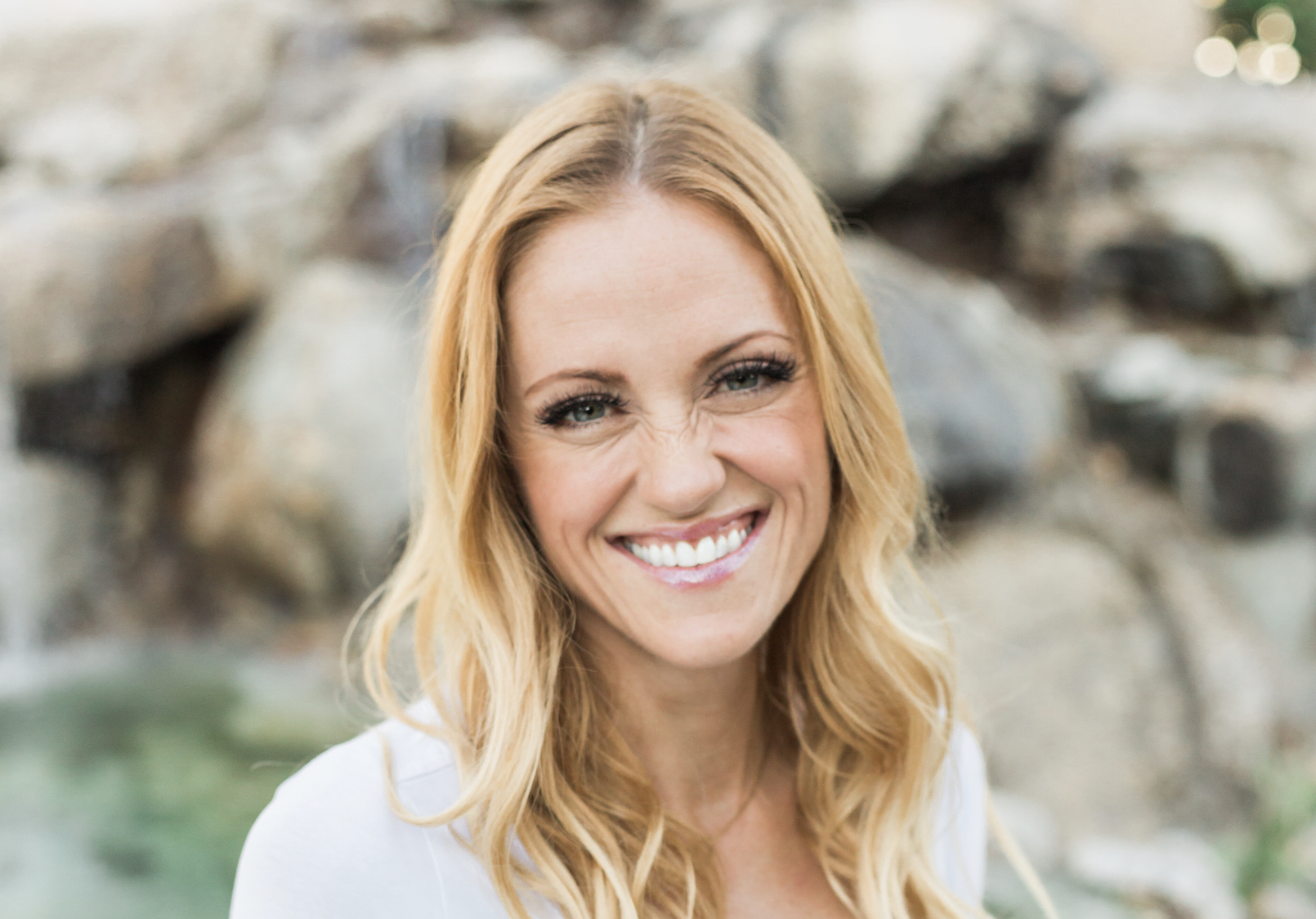
Bria Gadd is a Functional Diagnostic Nutrition® Practitioner and women’s hormone expert who has spent more than a decade helping women regain energy, release weight, and understand their bodies in midlife. After coaching thousands of women through their 20s and 30s, she recognized how dramatically things change in perimenopause and built a clear, proven approach to support women through this transition.
She is the host of The Period Whisperer Podcast and the hormone expert for the VShred Women’s Community with more than 800,000 members. Bria also created the Peptide Advantage Certification for Practitioners and speaks regularly at retreats and corporate wellness events.
briatheperiodwhisperer.com | @bria_period_whisperer
🎧 Other Episodes You Might Enjoy:
The Surprising Power of Peptides for Midlife Skin, Hair Loss and Longevity
Why You Don’t Feel Like Yourself in Perimenopause (& How to Get Your Groove Back)
Like what you hear?
➕ Follow Midlife Advice on Apple podcasts, Spotify or YouTube for more super smart and slightly sassy midlife conversations that blend science, intuition, and zero BS.
⭐️ Please share this episode with a friend, drop a 5-star rating and leave a review! That is the best way you can help me book more expert guests for us!
Disclaimer:
Belong Wellness and its members, managers, employees, contractors, and other agents or representatives are not licensed medical care providers and do not provide medical services or advice, including without limitation diagnosing, examining, preventing, treating, or curing any medical conditions. The information shared in this podcast is meant to be educational, not prescriptive. Please consult your medical doctor before making any changes to your diet or lifestyle. Further, the opinions of guests on this show do not necessarily reflect the opinions of Jessica or anyone affiliated with Belong Wellness.