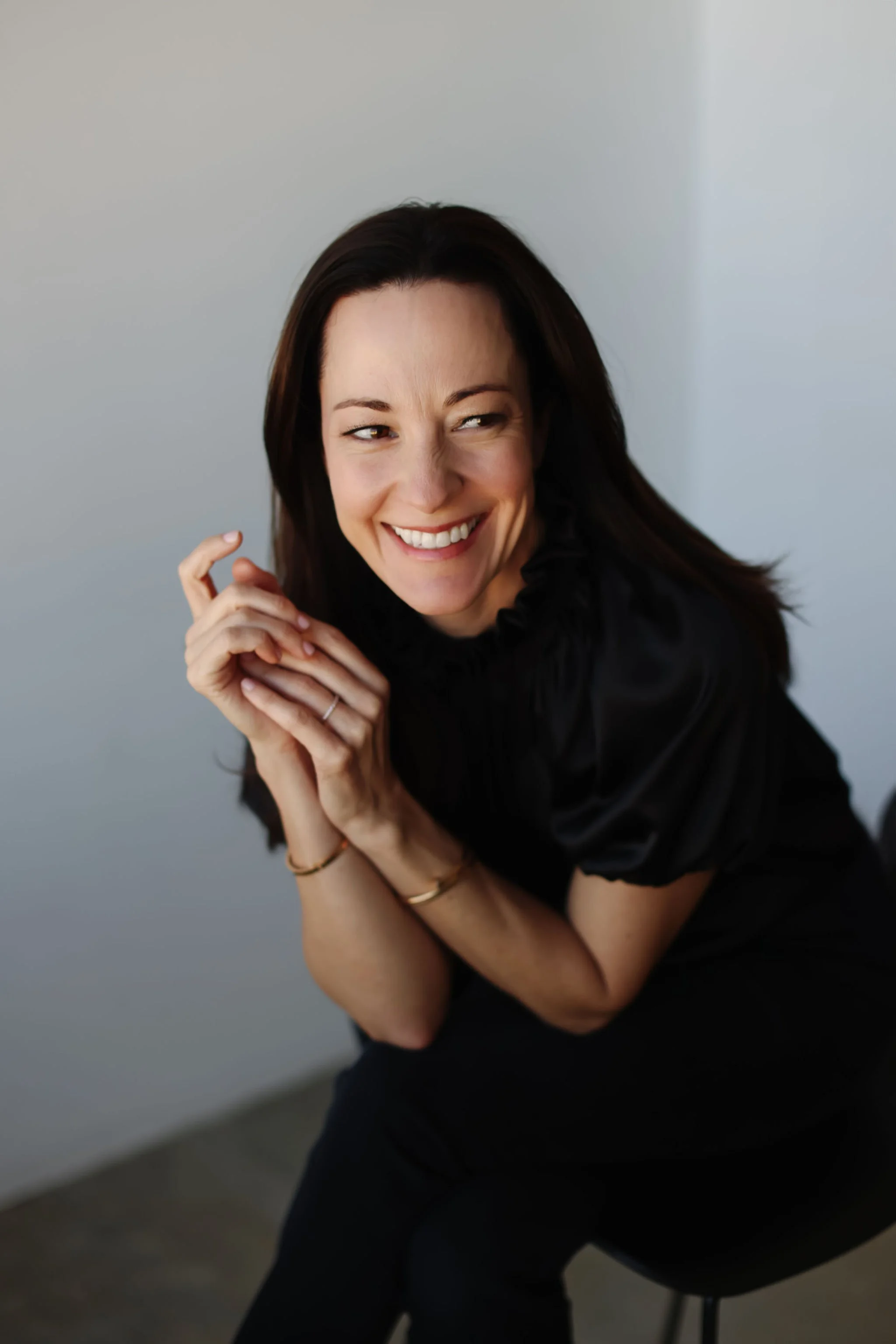
Do Skin Supplements Actually Work? A Pharmacist Explains
Somewhere in your 40s, your skin started doing something new. Drier here, thinner there, a little less bounce than it used to have, and no amount of the usual serums seemed to touch it.
Lily Shapiro, a pharmacist and the founder of the skin longevity brand ATIKA, has spent years studying why that happens and what actually helps, and it turns out most of us have only been solving half the problem.
This is for you if you've been thinking:
I've been taking collagen for months and I genuinely don't know if it's doing anything
My skin feels different than it did five years ago and I don't know why
I don't want seventeen products on my bathroom counter, I just want to know what actually matters
I've noticed my hair getting thinner and I'm wondering if it's connected to everything else that's changing
I want to know if a skin supplement is worth the money before I buy another one
I keep hearing about ceramides and antioxidants for skin and I have no idea what they actually do
I'd rather understand the science than just trust a pretty label
Prefer to listen? Press play below:
Or listen on:
Apple Podcasts | Spotify | YouTube
Why Topical Skincare Is Only Half the Picture
Most of us were taught that taking care of our skin means putting things on it: sunscreen, retinol, vitamin C serum, a good moisturizer. Lily Shapiro, a pharmacist and the founder of ATIKA, argues that approach leaves out half the picture. Your skin is an organ, and like every other organ in your body, it depends on what you're feeding it, not just what you're applying to its surface.
Shapiro points out that other categories, like hair care, have already shifted away from relying on another topical product and toward ingestible, inside-out formulas. She argues skin deserves the same shift in thinking, and if anything, she says skin is a more complex system to support from within than hair is.
What's Actually Changing in Your Skin After 40
According to Shapiro, four biological systems drive most of what we notice as skin aging: collagen structure, antioxidant defense, the skin's lipid barrier, and mitochondrial function, the cellular engines that produce the energy skin cells need to repair themselves. She built ATIKA's entire approach, which she calls the CALM framework, around supporting these four pillars directly rather than formulating around one trendy ingredient.
Oxidative stress is one of the biggest drivers of that visible aging, and it's more constant than most of us realize. Simply existing produces free radicals through normal metabolism, and everyday exposures like pollution and sunlight, even sunlight coming through a car window, add to that load. Left unchecked, oxidative stress can damage the structures that keep skin firm and hydrated over time.
Is Collagen Actually Worth Taking?
Collagen is the most mainstream skin supplement on the market, and Shapiro says the science behind it is real, with published human clinical trials showing benefits for skin hydration and elasticity from specific, studied collagen peptides. She's also upfront that not all collagen products are equal. She recommends looking for a trademarked, clinically studied peptide on the label rather than an unspecified "collagen" or "collagen peptides" listing, since the exact formulation and dose used in the research matters.
Her bigger point is that collagen alone isn't enough, which is a phrase she uses as her own tagline. Taking collagen can help you build new collagen, but it does nothing to protect the collagen you already have from the things that break it down: UV exposure, general aging, and hormonal shifts through perimenopause and menopause. Shapiro says that protective piece is just as important as the building piece, and it's the part most collagen-only routines miss.
Beyond Collagen: Antioxidants, Ceramides, and the CALM Framework
Once you get past collagen, Shapiro says the next most overlooked piece is your skin's lipid barrier, the layer that keeps moisture in and irritants out. She formulates with an ingestible ceramide ingredient, arguing that hydrating the skin from within reaches the entire organ, not just the surface of your face. Women in dry climates, she says, tend to notice this shift the most.
On antioxidants, Shapiro is careful to note that food alone can supply them, but the doses used in the clinical research behind ingredients like astaxanthin, green tea catechins, and lutein are higher than what most people realistically get from diet alone. She's not a fan of taking supplements you don't need. Her approach is built around nutrients she says the average diet under-delivers, rather than a blanket multivitamin.
The last piece of her CALM framework is mitochondrial function, since skin cells, like every cell in the body, need energy to repair and regenerate. She includes niacinamide, a precursor to NAD+, as the piece meant to support that cellular energy production.
A Realistic Skincare Routine (and What to Actually Expect)
Shapiro is candid that a supplement is one piece of a routine, not a replacement for it, and she says her own product gets her about 80 percent of the way there on its own. What she hears from customers, and has seen in her own experience since moving to Southern California, is a noticeable change in hydration, especially for people in dry climates, along with an unexpected bonus: some customers report their hair feels thicker and sheds less, something she didn't originally set out to formulate for.
Her own daily routine, she says, is intentionally simple: her supplement, a facial oil, a barrier cream at night, and sunscreen during the day. No seventeen-step routine, no counter full of products. Her advice for anyone building a routine in their 40s or 50s is the same: focus on the handful of things with the biggest return, not the longest list.
FAQs
Do collagen supplements actually work for skin?
Based on published research Lily Shapiro cites, specific studied collagen peptides, including the trademarked formulation she uses in her own product, have shown benefits for skin hydration and elasticity in human clinical trials. Not every collagen product on the market uses that same studied peptide or dose, so Shapiro recommends checking the label for a trademarked, clinically studied ingredient rather than assuming all collagen supplements are equivalent. She's also clear that collagen helps you build new collagen, but doesn't protect the collagen you already have from breaking down.
What causes skin aging in your 40s and 50s?
According to pharmacist Lily Shapiro, visible skin aging in midlife is driven by changes across four systems: declining collagen structure, reduced antioxidant defense against oxidative stress, a weaker lipid barrier that holds in moisture, and slower mitochondrial function, which affects how efficiently skin cells repair themselves. Hormonal shifts during perimenopause and menopause can accelerate changes in several of these areas at once.
What is oxidative stress and how does it affect skin?
Oxidative stress happens when free radicals, generated by normal metabolism as well as exposures like pollution and sunlight, outpace the body's ability to neutralize them. Over time, that imbalance can damage the collagen and other structures that keep skin firm and hydrated. Antioxidants, whether from food or supplementation, are one of the main tools the body uses to counter that damage.
What do ingestible ceramides do for skin?
Ceramides are best known as a topical ingredient, but taken orally, they're intended to support the skin's lipid barrier, the layer that keeps moisture in, from within. Pharmacist Lily Shapiro, who includes an ingestible ceramide ingredient in her supplement, says this approach can support hydration across the entire body rather than just the areas where a topical product is applied, which she's found is a particular relief for people in dry climates.
Can skin supplements help with hair thinning?
It's not their primary purpose, but some ingredients formulated for skin, including specific studied collagen peptides and a broad antioxidant blend, have also shown benefits for hair thickness in clinical research. Pharmacist Lily Shapiro says this has become one of the most talked-about outcomes from her own customers, though she designed her product for skin first and considers the hair benefit a welcome addition rather than the main promise.
Meet Lily Shapiro:
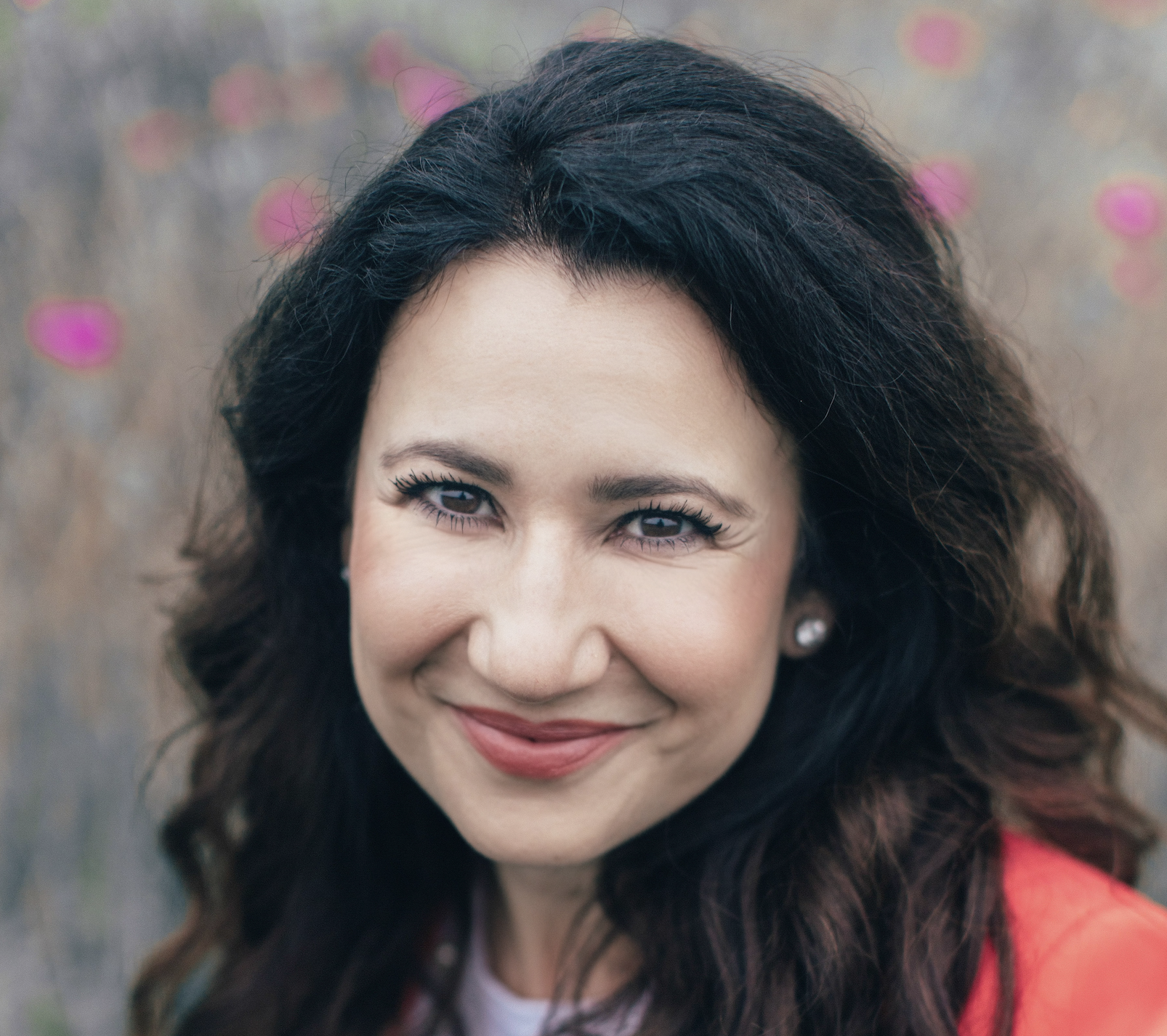
Lily Shapiro, PharmD, is the founder of ATIKA, a skin longevity supplement brand built on published clinical research and a four-part framework she calls CALM: collagen integrity, antioxidant balance, lipid barrier health, and mitochondrial function.
After noticing changes in her own skin in her 40s, she left a career on Wall Street to build a nutrition-first approach to skin aging.
Connect with Lily Shapiro:
-
Jessica Long (00:00)
Well, I personally don't know many women in their forties and beyond who are not interested in learning more about how to take better care of their skin. So I'm excited to dive into this topic of skin health and longevity today. Lily, thanks so much for coming on the show.
Well, this is gonna be a good one. And I know everyone is on the edge of their seat. So here's the first thing I want to talk about, which is I think most of us were brought up thinking like we take care of our skin by putting things on it. So moisturizer, sunscreen, maybe now some retinol or vitamin C. But what I'm hearing you say, and some of the research I've done on you, is that we actually need to think about taking care of our skin from the inside out with the nutrition and what we eat.
So my first question is if we have been focused solely on the topical treatment of our skin, what are we missing out on that nutrition provides?
Lily Shapiro, PharmD (00:55)
So sorry.
Jessica Long (01:03)
No, it's okay.
Lily Shapiro, PharmD (01:43)
Is perhaps misguided. and you know, I I always compare what neutrophil did for hair, right? Instead of developing another hair serum, they went from the inside, right? And it has transformed how we think about hair health. Well, skin is no different. Skin, I would argue, is even more complex than hair.
Jessica Long (02:24)
Well, let's talk about collagen. I'm glad you brought that up because I think it's like you said, very mainstream. I s I know so many people who take it. I used to take it, then I stopped taking it. Like and I don't even necessarily know why. It's not like I had anything against it. But it's also hard to see the precise change that collagen might be giving us. So can you just clear up for us what does the science tell us that ingesting collagen is actually doing for our skin versus what it's not or can't do?
Is one better than the other?
Lily Shapiro, PharmD (03:51)
Based on my research, that's actually not true. I think I don't know where this came from. sometimes it has a smaller molecular weight, but it it you know, if you take a bovine collagen and you hydrolyze it into small enough pieces, it's the same thing. It doesn't matter.
Jessica Long (05:43)
So how do we know when we're in the store looking for the right product, how do we know we're getting the one that's actually the most by available for us and that will actually have the best benefit?
Lily Shapiro, PharmD (05:55)
So there is one company out of Germany that makes these bioactive collagen peptides. And based on my research, and you know, that's that's the one that I'm using, it's a trademarked collagen peptide. That's the one I've been taking for a very long time, and that's the one I'm using in my product. And it is because it is the it's a very specific formulation, it's optimized for skin. They have seven human clinical trials for skin in humans that show benefit, right? So when
Jessica Long (06:55)
Yes, and we like we like evidence around here, midlife advice. Okay. Good to know. But I think I'm gonna know the answer to this question. Is taking collagen enough for our skin?
Lily Shapiro, PharmD (07:08)
Well, since my tagline is collagen is not enough, I'm going to say no.
Jessica Long (07:15)
Okay, so
what are we what are we missing and how can we get these other nutrients and what are what are they gonna help with?
Lily Shapiro, PharmD (07:23)
Well, so collagen is great, right? And if you take varisol, you are probably building some collagen, right? And you're and and that's great. But what happens to your existing collagen? How do you protect that? How do you hang on to it, right? That it gets degraded through environmental exposures, right? Like UV light, for example, it gets degraded through just aging, right? Perimonopause, menopause, hormonal fluctuations.
so you wanna so it's great to rebuild, but you wanna hold on to the collagen that you already have, right? And that's the other really big piece of it. And so, you know, for me, I moved to Southern California from New York, right? And it was really shocking how much sun exposure we get here. I mean, it's relentless, it's all year round and it's every day.
Jessica Long (09:22)
So I feel like these terms oxidative stress and antioxidants get thrown around a lot without most of us really knowing what that means. And then in the context of this conversation, what does that mean for our skin? So can you kind of break it down into some lay terms for us?
Lily Shapiro, PharmD (09:39)
Yes. So we live and breathe, right? So normal metabolism. We produce free radicals. We are outside. You're walking down the street in New York, there's pollution, right? You produce free radicals. You're in the sun, and I you don't have to be on the beach, right? You could be in your car driving to Whole Foods, right? And sun is penetrating the glass, the rays hit your skin, you're producing free radicals, okay?
Jessica Long (10:50)
Okay. So it it does. And so we can combat this by ingesting more antioxidants. Is that what we is that the best line of defense for us when it comes to these free radicals? Okay. And so why why can't we just go eat a cup of blueberries with our oatmeal in the morning and say, Okay, check, I got my antioxidants? Like, is that enough? Or are you saying, no, we actually if you supplement, you're gonna get
More of what you need.
Lily Shapiro, PharmD (11:21)
It may be enough. the clinical trials are using much higher doses, right? So you'd need to eat a truckload of blueberries every right in addition to other berries and other antioxidant sources. So to me, when I think about supplementation
Like for example, I never I was never a fan of taking multivitamins unless you're truly deficient in something, right? Because for the most part, and I imagine a lot of your listeners have a very healthy diet, right? Eat h whole foods. For the most part, if you are doing that, you're not going to be deficient, right? Maybe magnesium, maybe vitamin D if you live like you know, in not not in San Diego. but for the most part.
Jessica Long (12:22)
And is this just because our current culture we're just exposed to more things that cause our body to create these free radicals? Is this or or is this like an evolutionary misstep?
Okay. Yeah, that that's fair. That's fair. Okay. So we were on the topic of we we can't necessarily get enough through our diet. And then I also have the question of why are the clinical studies looking at ingesting that much when no one's taking that much? Are any or is that just because the amount that we are can realistically get in your everyday diet is just not even close to as much as we need to really combat this oxidative stress?
What? Well then that's the root cause of the problem here.
Lily Shapiro, PharmD (13:47)
There we go. We've gotten down to it. or you know, the thickness of your hair, right? So I think need is probably not the right word there, right? We can survive without these antioxidants, but we have enough data and it's compelling enough to see that if you do take these antioxidants, and you know, when I say antioxidant, i again, it's like it's not one thing, right? Free radicals, there are different types of free radicals and different
Jessica Long (14:35)
Okay.
Okay.
And so this is a product that you have created, a a skin nutrition product, a supplement that we can take. What are the benefits of taking this? Like what would we expect to actually see and notice in our skin if we're taking this on a regular basis?
Lily Shapiro, PharmD (15:10)
So I am, so I maybe a little bit of background would be helpful. So I'm a pharmacist by training, but I haven't practiced since 08. I went to business school and I've been on Wall Street for the past 15 years. So this really began as a personal project for me and my own skin when I, you know, entered my 40s. I'm 47 now, so this has been a project over the last almost decade. and the question I asked myself is: what are the drivers of skin aging?
And how can I support them at the source to get all the benefits downstream, right? Normally you'll look at you look at you know at what's available in the market and it's it's one of two things. They're either formulating around like a hero ingredient, right? So it's hyaluronic acid or it's collagen, right? We have something like an anchor.
Jessica Long (16:58)
And so we were also saying that this helps these same types of things help with inflammation in general. So is it safe to assume that these supplements that you created are not just helping with skin? That might be where we see it and notice it, but it's helping just with inflammation and overall health in general?
So tell us what these ingredients are. We've talked about some of the antioxidants and how they're in different categories. What else is in there?
Lily Shapiro, PharmD (17:39)
Yeah. So maybe it's helpful to walk through the framework because then I can tell you, you know, what's in there and for and for what reason.
So the framework that I've developed is the acronym COLM, C A L So C stands for Collagen Integrity. So I'm using the varicol collagen peptides that I talked about, but I'm also including cofactors that make collagen work better. Okay? So collagen, for example, needs vitamin C, selenium is helpful, silica is a building block, zinc. So there are different micronutrients that help the collagen work better. And most collagen
Sorry. What is it go wh why am I blinking on the word?
Jessica Long (18:59)
Membrane?
Lily Shapiro, PharmD (19:00)
Yes, okay. Thank you. So you're working on b all all levels of the cell, between the cell membrane and the aqueous, you know, in s internal portion.
the next pillar is the letter L, so column L.
And that stands for lipid barrier. And that is something that I think is underappreciated. The role that your lipid, your skin barrier, plays in skin health. And so what I'm using there is a trademarked ingredient from France. It's an oral ceramide. So I think most people know ceramides that you put on topically. And that's great. I use them, but you know, you have to put them on every day. It's not a long term kind of solution.
Jessica Long (21:03)
Lots of nodding along like, okay, this is sounding good. If we are taking this, ingesting these ceramides, do we also need the topical or could that potentially replace the need for the topical?
Lily Shapiro, PharmD (21:17)
I mean, I think everyone needs a good moisturizer, right? but in terms of topical ceramides, you probably don't. I still use them, but it's kind of like legacy containers that I have on my counter, right? but and and one really important thing to mention is that
This this increased hydration in skin, it's not just the three percent, right? It's not just your face, it's your entire organ, right? So for people who live in the desert, right, like Vegas, Arizona, places like that, a lot of my customers come from those areas and they say this has been a complete game changer for me.
I used to have dry skin always, dry, patchy, right? Like no amount of moisturizer could help. And this product has made such a difference. And it's because of the ceramide.
Jessica Long (22:07)
Makes sense. And I think just as
at midlife, a lot of us start noticing drier skin. even just like hands, you know, I cannot wash my hands without then putting a moisturizer on. So it would be in that small way kind of life-changing to just not have to worry about that.
Mm.
Lily Shapiro, PharmD (22:31)
and the last pillar is the letter and that stands for mitochondrial support, because of course nothing can happen in your body without cellular energy. And so what I am including is niacinamide, oral niacinamide, that is an NAD plus precursor. I know that's all the rage right now, NAD plus. And it's it's just a different way of supplementing it. and and it's got some skin benefits.
Jessica Long (23:07)
And so that sounds really all inclusive. It almost sounds like the multivitamin you were talking about before. So why is this good this a great product versus a multivitamin not being a great product?
Lily Shapiro, PharmD (23:21)
Because this isn't a multivitamin, right? A multivitamin, if you have a deficiency, it's great, vitamins, you know, you need vitamins. But here you you don't we don't know how to measure antioxidant deficiency, right? So I'm not it's it's a completely different beast, this product, right? Like the antioxidants, let me name a few of them. So there's astaxanthin, right? There's
grapeseed extract, there's machiberry, there's EGCG which is green tea catechins, there's lycopene and beta carotene and lutein and zexanthin. I mean these aren't really things that people normally take, right? But
Jessica Long (24:03)
But are they things that people are normally deficient
in? So for example, is there a segment of the population who wouldn't benefit from this because they are not deficient in any of these?
Okay. And then I think I saw too that there's kind of this unexpected bonus, maybe that these also help with hair, which is such a n a common problem among midlife women, myself included. I've lost, I think, I would have I would guess about 25% of my hair in the last few years. And I'm not the only one talking about this. So do these supplements help with preventing hair shedding or improving hair consistency or quality?
Lily Shapiro, PharmD (25:44)
So the product is called advanced skin nutrition. I was really formulating it for skin. The hair benefits are a very happy accident. So, and mechanistically it makes sense, but the data, the anecdotal data coming in from customers is so compelling that I'm probably going to change the name of the product and include the word hair in it.
I was out with a local dermatologist who you know, she doesn't work with me. I don't sponsor her, she just loves my product and she carries it in clinic. And so we were out having dinner and she said, Lily, I've actually started recommending it to my GLP1 patients who are losing hair, because I've seen hundreds now of patients who have been able to save their hair with this product.
the collagen that I'm using, varisol collagen, has clinicals on hair showing hair thickness benefits. Okay? So you are shedding less and you're getting thicker hair. And then the antioxidants, right? Again, it goes back to oxidative stress. You're protecting the hair follicle through this broad network, right? This multi-spectrum antioxid antioxidant blend.
And so it's a kind of a three-pronged mechanism, but the results are undeniable. I will tell you, so I'm 47, around the age of 42, and you know, I have I I've been blessed with really healthy, thick hair, right? Around the age of 42, it just started coming out.
Jessica Long (28:32)
No, it's not. I'm like you. I've always had really thick hair. So I'm actually lucky that I can lose 25% and people still tell me I have thick hair, but I notice it. And like you said, it's part of your identity. And it's like one of the things that you can rely on as like one of the things that makes you feel good about yourself. And so when you start to see that go, there's this cascading effect and loss of confidence, loss of identity, all the things that none of us want. So as we're wrapping up here, I want to ask you.
What do you think is kind of an ideal and realistic skincare routine for a midlife woman who doesn't want seventeen products on her counter, doesn't want a ton of supplements, but wants to be smart about how she's taking care of her skin?
Lily Shapiro, PharmD (29:17)
Yeah, so I'm that woman, right? I'm I'm that woman. I didn't want to take and you know the the product exists as a powder because I initially did all this research and I I had this cocktail, right? But it was it was like twenty different pills and I just I couldn't take it, right? And so this product exists out of my personal frustration that I I couldn't take twenty pills every day. I wanted something simple, right? You do one scoop with water, that I can do every day of something that actually tastes good.
So I'm that woman and I'll tell you I'll tell you my routine. You know, I obviously take my own product, right? and that to that has I mean that has a lot of benefits, right? So you're you're getting yourself 80% of the way there. So my shelf, my bathroom shelf is really Spartan. I have an oil, right? I have a like a barrier cream that I sometimes wear on top of the oil at night.
Jessica Long (30:37)
Mm-hmm. Are you using the oil as a moisturizer in that example? Okay. So oil plus a lipid barrier moisturizer sunscreen for the day. Okay. thank you so much. This has been so fascinating. It's really interesting to think about skin health from the inside out, but also again, like you're like you said, it's not just skin, right? It's skin, it's hair, it's kind of everything. so thanks so much for coming on the show, sharing your wisdom with us. Where can everyone find you and learn more about your products?
Lily Shapiro, PharmD (31:37)
and yeah.
Jessica Long (31:39)
Okay, go find her there. Thank you so much, Lily. I appreciate your insights today.
Lily Shapiro, PharmD (31:44)
Thank you, Jessica. Thanks for having me on.
🎧 Other Episodes You’ll Love:
Skincare for Women Over 40: How to Care for Dry, Sensitive, Aging Skin
Hair Extensions for Thinning Hair: What Actually Works (and What to Skip)
Like what you hear?
➕ Follow Midlife Advice on Apple podcasts, Spotify or YouTube for more super smart and slightly sassy midlife conversations that blend science, intuition, and zero BS.
⭐️ Please share this episode with a friend, drop a 5-star rating and leave a review! That is the best way you can help me book more expert guests for us!
Disclaimer:
Belong Wellness and its members, managers, employees, contractors, and other agents or representatives are not licensed medical care providers and do not provide medical services or advice, including without limitation diagnosing, examining, preventing, treating, or curing any medical conditions. The information shared in this podcast is meant to be educational, not prescriptive. Please consult your medical doctor before making any changes to your diet or lifestyle. Further, the opinions of guests on this show do not necessarily reflect the opinions of Jessica or anyone affiliated with Belong Wellness.