The Surprising Power of Peptides for Midlife Skin, Hair Loss and Longevity
Midlife has a way of sneaking up on your reflection.
One day your skin looks like your skin. The next, it looks OLD. And your hair isn’t as thick as it used to be. You’re finding more strands in the shower drain. And you might be thinking:
Where did this come from?
Most of us assume the solution lives in a serum, a laser, or a needle.
But what if the real driver of midlife skin and hair changes isn’t topical at all?
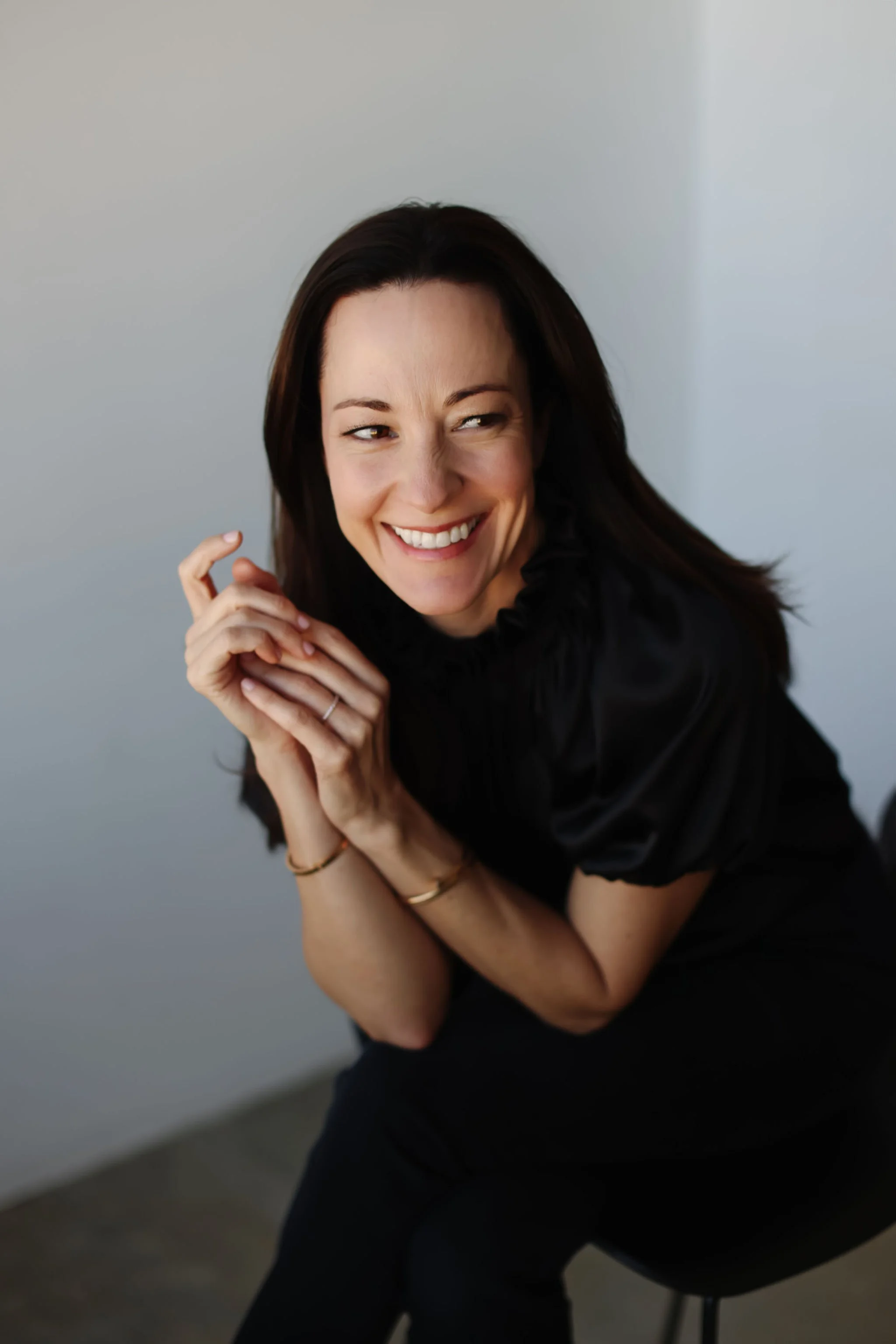
In this conversation, I’m joined by Dr. Aleksandra Gajer to talk about something that genuinely surprised me: how peptides may support midlife skin, hair loss, and even longevity, not just weight loss.
Prefer to listen? Press play below.
or listen or watch on:
Apple Podcasts | Spotify | YouTube
Why Midlife Skin and Hair Change So Quickly
According to Dr. Gajer, the visible signs of aging in midlife are often rooted in:
• Chronic inflammation
• Oxidative stress
• Mitochondrial dysfunction
• Declining hormone support
• Immune system aging
Inflammation breaks down collagen and elastin, the structural proteins that keep skin firm and resilient. Over time, this contributes to wrinkles, sagging, and that loss of glow so many women notice in their 40s and 50s.
Hair thinning is often multifactorial — iron levels, hormonal shifts, nutrient status, stress — but inflammation plays a role here, too.
The key takeaway? These changes aren’t just cosmetic. They’re biological.
What Are Peptides — and How Do They Work?
Peptides are short chains of amino acids that act as signaling molecules in the body. Unlike medications that block or force a pathway on or off, peptides enhance or repair processes that are already happening, just less efficiently as we age.
Dr. Gajer explains that certain injectable peptides may:
• Reduce systemic inflammation
• Support collagen and elastin production
• Improve tissue repair
• Stimulate hair growth
• Enhance immune surveillance
• Support healthier aging at the cellular level
And unlike GLP-1 medications, many of these peptides are cycled, not taken forever.
Peptides for Midlife Skin and Hair
Some of the peptides discussed in this episode include:
BPC-157
Originally isolated from the stomach lining, this peptide is known for its tissue-healing and anti-inflammatory properties. It may support skin resilience, recovery, and even hair growth.
GHK-Cu (Copper Peptide)
Often discussed in skincare circles, this peptide may stimulate collagen production and support hair regrowth.
Growth Hormone–Supporting Peptides
These peptides stimulate natural growth hormone production, which plays a role in sleep, body composition, and tissue repair — all relevant in midlife.
Dr. Gajer emphasizes that peptides work best when layered on top of strong foundations: adequate protein intake, strength training, micronutrients, omega-3s, and quality sleep.
They are not magic shortcuts. They are strategic add-ons.
Peptides and Longevity
One of the most fascinating parts of this conversation is the discussion around immune aging, also called immune senescence.
As we age, our immune system becomes less efficient at identifying and eliminating abnormal cells. Some peptides being studied today may help support immune function and reduce chronic inflammation, both of which are key drivers of age-related disease.
In other words, a peptide prescribed for skin support may also be working on deeper longevity pathways.
That’s the part that isn’t talked about enough.
Are Peptides Safe?
Not all peptides are FDA approved, and this is an important part of the discussion.
Dr. Gajer walks through:
• Independent purity and sterility testing
• Endotoxin screening
• Risk-benefit analysis
• Which peptides have FDA approval
• Why medical oversight matters
As with any therapy, working with a knowledgeable physician is critical.
The Bigger Picture
If there’s one theme throughout this episode, it’s this:
Midlife skin and hair changes are signals, not flaws.
When we address inflammation, metabolic health, hormone balance, and immune resilience, aesthetic improvements may follow.
This conversation is not about chasing youth. It’s about understanding your biology and supporting it intentionally.
Important note: This post is for educational purposes only and is not medical advice. Peptides and hormones are highly individual, especially in perimenopause. Always consult with a qualified healthcare provider before making changes to medications, supplements, or treatment.
About Dr. Aleksandra Gajer:

Dr. Aleksandra Gajer, originally from Poland and raised in the United States, is a dedicated medical professional focused on advancing healthcare. She graduated with top honors from the University of Maryland School of Medicine and completed her residency in academic emergency medicine at The George Washington University.
Dr. Gajer’s special interests include sustainable weight loss, balanced hormone health, and longevity. She emphasizes the importance of lifestyle adjustments to optimize patients’ biology, promoting health, vitality, and long-term wellness.
Website |Instagram | Book an Intro Call
🎧 Other Episodes You Might Enjoy:
Do Peptides Help with Sleep, Weight Gain and Brain Fog in Perimenopause?
Like what you hear?
➕ Follow Midlife Advice on Apple podcasts, Spotify or YouTube for more super smart and slightly sassy midlife conversations that blend science, intuition, and zero BS.
⭐️ Please share this episode with a friend, drop a 5-star rating and leave a review! That is the best way you can help me book more expert guests for us!
Disclaimer:
Belong Wellness and its members, managers, employees, contractors, and other agents or representatives are not licensed medical care providers and do not provide medical services or advice, including without limitation diagnosing, examining, preventing, treating, or curing any medical conditions. The information shared in this podcast is meant to be educational, not prescriptive. Please consult your medical doctor before making any changes to your diet or lifestyle. Further, the opinions of guests on this show do not necessarily reflect the opinions of Jessica or anyone affiliated with Belong Wellness.